 Github Stars:
 Last Commit:
  Created:



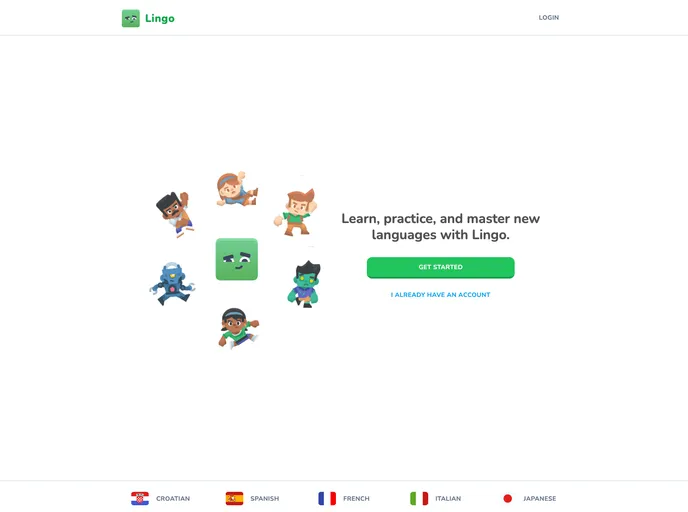
Overview
Building a language learning application inspired by Duolingo has become an engaging project for many developers, especially with the capabilities of modern frameworks like Next.js and React. The latest guide to creating a Duolingo clone integrates various technologies, offering a comprehensive look at how to harness the power of AI, beautiful UI components, and an effective backend setup. Whether you’re an experienced developer or a newcomer to the world of web applications, this project promises to be an exciting venture into creating a feature-rich educational tool.
The foundation of this clone comprises various advanced features that enhance user experience, facilitate learning, and ensure smooth management of the application. From AI-generated voices to a dynamic points and hearts system, it’s designed to keep users motivated and engaged while exploring new languages.
Features
- Next.js 14 & Server Actions: Utilizes the latest version for improved performance and server-side functionalities.
- AI Voices Using Elevenlabs AI: Incorporates high-quality AI-generated voices to make language learning more interactive and authentic.
- Beautiful Component System Using Shadcn UI: Leverages a visually appealing component system for easy customization and an attractive user interface.
- Auth Using Clerk: Employs Clerk for secure authentication, ensuring user data protection and a seamless sign-up experience.
- Points / XP System: Gamifies the learning process with a points and experience system, encouraging users to continue learning.
- Leaderboard: Fosters a competitive spirit by displaying top learners, motivating users to engage more with the app.
- Shop System to Exchange Points with Hearts: Introduces a fun way for users to exchange earned points for extra resources, enhancing user engagement.
- Mobile Responsiveness: Ensures that the application is fully functional on mobile devices, allowing learning anytime, anywhere.