 Github Stars:
 Last Commit:
  Created:

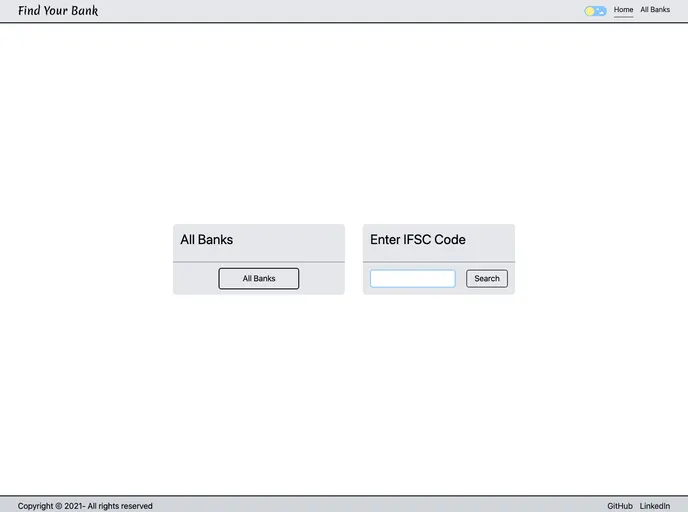
Overview
The combination of Next.js and Tailwind CSS provides a powerful foundation for developing modern web applications. This example showcases how to seamlessly integrate Tailwind CSS version 2.2 into a Next.js project, emphasizing the use of the latest Just-in-Time Mode for optimized performance and flexibility. Whether you’re building a sleek landing page or a complex web application, this setup ensures that your design remains responsive and visually appealing.
Utilizing Tailwind CSS with Next.js allows developers to harness the utility-first approach of Tailwind while leveraging Next.js features such as server-side rendering and static site generation. This example serves as a solid starting point for those looking to create stylish, high-performance applications that are easy to maintain and scale.
Features
- Just-in-Time Mode: Experience the benefits of on-demand CSS generation, ensuring only the styles you use are included, enhancing load times and performance.
- Responsive Design: Easily create responsive layouts with Tailwind’s utility classes, making it simple to adapt your design across different screen sizes.
- Quick Setup: Bootstraps quickly with
create-next-app, allowing developers to get started without complex configurations. - Integration with Vercel: Simplify deployment using Vercel, providing a streamlined experience to get your application live with minimal hassle.
- Utility-First Approach: Leverage Tailwind’s extensive list of utility classes to build custom designs without leaving your HTML, promoting a more efficient workflow.
- Extensible: Customize Tailwind’s configuration to fit your project’s unique branding and styling needs.
- Modern Development Features: Enjoy features like server-side rendering and static site generation that come with Next.js, enhancing SEO and performance.
- Active Community and Documentation: Benefit from robust community support and comprehensive documentation that assist in troubleshooting and learning.